


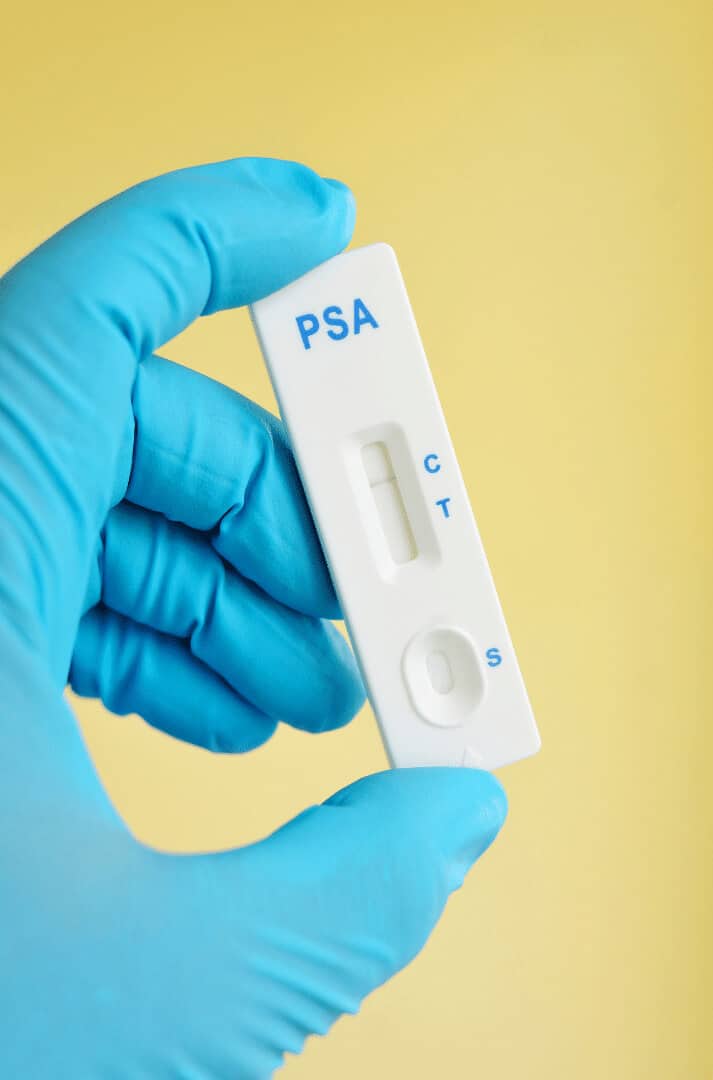
A rise in PSA after prostate cancer treatment may be of concern, but does not always indicate a recurrence of the cancer. Proper medical evaluation is essential to determine the cause and the necessary course of action.
Prostate cancer is one of the most common diseases in men worldwide. Fortunately, survival rates have improved significantly thanks to advances in diagnosis and treatment. One of the most important markers for monitoring the disease and the effectiveness of treatment is Prostate Specific Antigen (PSA). However, after treatment, a rise in PSA levels can be a cause for concern for patients and their doctors. In this article, we will explore what a rise in PSA means after prostate cancer treatment and what actions can be taken.
PSA is a protein produced by the cells of the prostate gland. It is normally found in the blood in very small amounts. PSA levels can increase due to a variety of reasons, such as ageing, inflammation of the prostate and, in particular, prostate cancer. PSA is therefore an important marker for the early detection and monitoring of prostate cancer.
Treatment of prostate cancer may involve surgery (prostatectomy), radiotherapy, hormone therapy or a combination of these approaches. After treatment, PSA levels are expected to decrease significantly or even become undetectable in the blood. This indicates a positive response to treatment and suggests that prostate cancer has been eliminated or effectively controlled.
Although PSA levels decrease after treatment, in some cases, PSA levels may begin to rise again in the future. This increase in PSA is called a «biochemical recurrence». It is important to note that biochemical recurrence does not always mean a clinical recurrence of prostate cancer; that is, it does not always indicate that the cancer has returned in a form that requires immediate treatment.
There are several reasons why PSA levels may rise after treatment:
With the PSA test for prostate cancer prevention, Ailin uses cutting-edge technology to test blood samples for early detection of prostate cancer.
If a rise in PSA is detected after prostate cancer treatment, a full evaluation is essential. This usually includes additional tests, such as an MRI, biopsy or bone scan, to determine the cause of the rise. Not all PSA increases indicate cancer recurrence, so it is important not to panic.
Further treatment options will depend on several factors, such as the rate of PSA increase, the type of previous treatment and the general health of the patient. In some cases, additional treatment such as salvage radiotherapy or hormone therapy may be necessary. However, in other cases, regular monitoring may be the best strategy, as the cancer may progress slowly and not require immediate treatment.
Regular monitoring of PSA levels is essential, especially after treatments such as prostatectomy or radiotherapy, as an increase may require additional studies, such as imaging or biopsies, to determine the cause. Although not all PSA increases indicate a recurrence of prostate cancer, it is crucial to evaluate each case with medical care and maintain close communication with the specialist. With proper follow-up, many people can enjoy a healthy and active life after treatment, as prostate cancer is a treatable disease.