


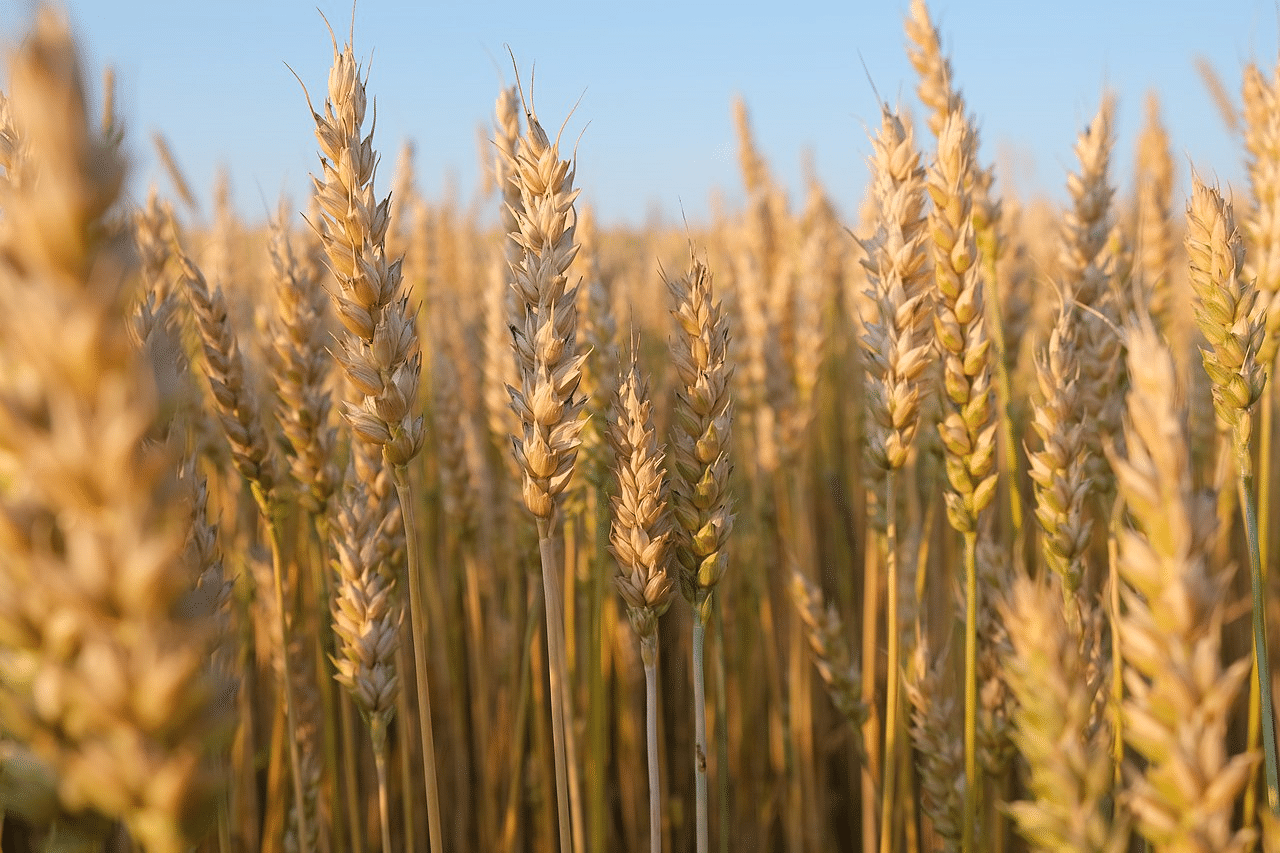
Coeliac disease is an immune system reaction to the consumption of gluten, a protein found in wheat, barley and rye.
International Coeliac Day is celebrated on 27 May., The event is a special occasion to raise awareness and understanding of coeliac disease and to show support for people living with the condition. In 2023, we come together again to celebrate the achievements, advances in research and the promotion of gluten-free living. This day gives us the opportunity to educate, inspire and celebrate the resilience of the community in their quest for a full and healthy life.
What is coeliac disease?
Coeliac disease is a disease of the digestive system that damages the small intestine and impairs the absorption of vitamins, minerals and other nutrients from food.
Patients with coeliac disease cannot tolerate the gluten protein, which is found in the cereals wheat, oats, barley and rye. When they eat foods containing gluten, their immune system responds and damage to the mucosa of the small intestine occurs.
This impairment of food absorption leads to malnutrition, even if adequate intake is maintained. There is a genetic component, so it is more common in certain families.
What are the causes of coeliac condition?
Coeliac disease is caused by a number of factors, among which we see;

What are the symptoms of coeliac disease?
The symptoms of coeliac disease can vary considerably and do not always manifest themselves as typical digestive problems. Patients may experience a combination or present any of the following symptoms in isolation:
However, more than half of adults with coeliac disease have signs and symptoms unrelated to the digestive system, including the following:
Children
Children with coeliac disease are more likely than adults to have digestive problems, including the following:
Dermatitis herpetiformis
Gluten intolerance can cause this itchy, blistering skin condition. The rash usually occurs on the elbows, knees, torso, scalp and buttocks. This condition is often associated with changes in the lining of the small intestine identical to those of celiac disease, but the skin condition may not cause digestive symptoms.
Doctors treat dermatitis herpetiformis with a gluten-free diet or medication, or both, to control the rash.
Advances in research and diagnostics
In recent years, there have been remarkable advances in coeliac disease research. New genes related to the condition have been discovered, which has significantly improved diagnosis and early detection.
The diagnostic methods The number of people affected has also improved, making it possible to identify more people affected and provide them with the support and resources they need to live a gluten-free life. As simple as take a test from home.
In conclusion, International Coeliac Day, 27 May, The Celiac Disease Awareness Day is an occasion to raise awareness of celiac disease and celebrate the advances in research and diagnosis. Let's continue to educate, support and celebrate the resilience of the coeliac community in their quest for a gluten-free life.