


Home page » Why eating healthy doesn't always make you feel good? The truth behind your digestive discomfort
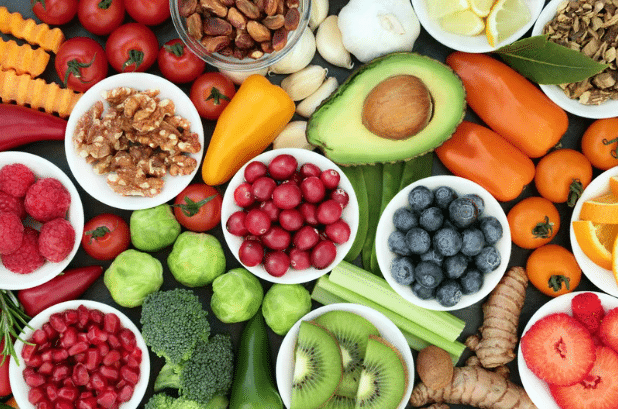
You eat healthy, but you still feel bad... And that, although it frustrates you, is not your fault. Many people like you cut out ultra-processed foods, eat more vegetables, get plenty of sleep... and yet they still can't seem to feel balanced. Sometimes, the causes are not visible to the naked eye. What if the problem were food intolerances undiagnosed that disrupt your microbiota and your well-being?
In this article we explain clearly why what looks healthy doesn't always work the same for everyone and how you can find out what your body really needs to feel good.
Some of the “healthiest” foods may be responsible for your daily discomfort. Salads, legumes, fruit or yoghurt can cause bloating or abdominal pain due to compounds such as FODMAPs, lactose or fructose. It's not that these foods are bad, it's just that your body may not tolerate them well.
Lactose intolerance is a common cause of digestive discomfort, even in people with a good diet. It occurs when the body does not produce enough lactase, the enzyme that breaks down milk sugar.
This can lead to heavy digestion, gas, bloating or fatigue after consuming dairy products such as yoghurt or cottage cheese, which are often considered “healthy” foods.
Listening to your body after ingesting these products is key to identifying whether lactose is affecting your wellbeing.
Fructose, found in fruit, honey or vegetables such as onions, can cause digestive discomfort if it is not well absorbed. In people with intolerance, this sugar ferments in the colon and causes gas, bloating or abdominal pain.
Although these foods are healthy, they can cause imbalances if your gut cannot tolerate them. Detecting this intolerance allows you to adjust your diet while taking care of yourself.
SIBO occurs when bacteria overgrow in the small intestine where they shouldn't be, disrupting digestion.
This causes abnormal fermentation of foods such as pulses, broccoli or oats, leading to bloating, gas and intestinal discomfort, despite being “healthy” choices.
Detecting it allows you to adjust your diet and alleviate symptoms without giving up taking care of yourself.
Your digestive health impacts your energy, mood and nutrient absorption. Dysbiosis (an imbalance in your microbiota) may be behind your symptoms. Even if you eat healthy, if your gut isn't, you may not notice improvement.
Don't eliminate food without knowing. Today, thanks to tools such as the food intolerance test, you can find out exactly whether you have SIBO, lactose intolerance or fructose intolerance without the need to travel or make an appointment.
At Ailin we have created kits with professional analysis and interpretation. Because your well-being should start with concrete data and personalised actions.
If you feel tired, bloated or have a heavy digestion, this is no small matter. Healthy is not universal. At Ailin, we are here to help you understand your body with science, without judgement, and with real solutions.
.