


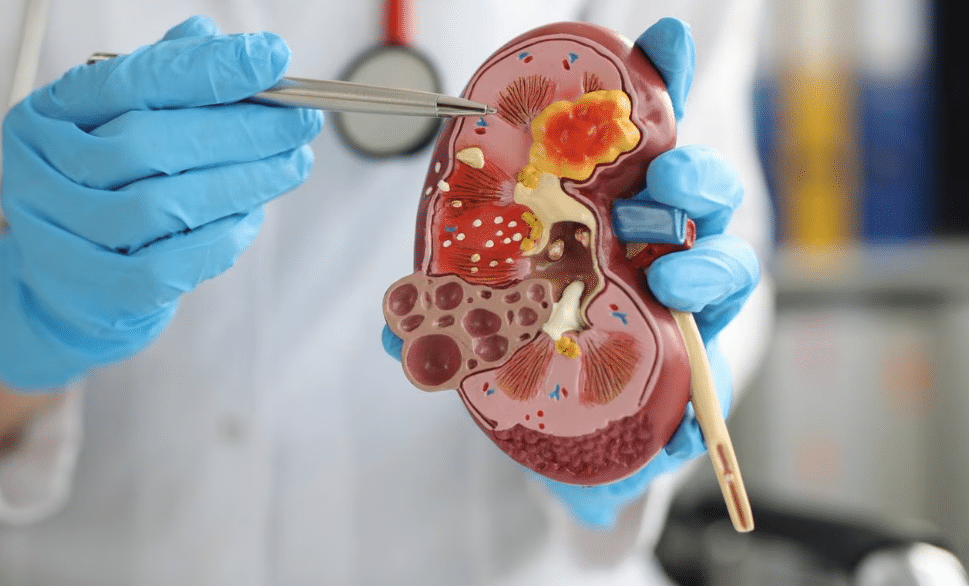
Kidney failure occurs when the kidneys stop working and cannot remove waste and extra water from the blood, or keep the body's chemicals in balance.
The kidney health campaign closes the knowledge gap for better kidney disease care. The campaign focuses on efforts to increase kidney health education and awareness and to reduce the CKD knowledge gap at all levels of kidney care.
It is essential to understand the functioning of the kidneys, their importance, their proper care, to diagnose kidney disease and where to go for help. The kidneys do not show symptoms and by the time they appear the disease is already very advanced. That is why, with a simple blood and urine test, it is possible to know their state of health. An early diagnosis allows specific treatments to be established, as well as measures to delay the loss of kidney function.
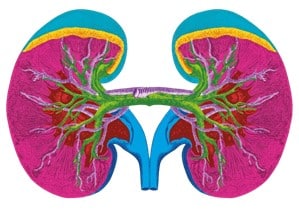
Kidneys are two organs at the back of the abdomen that filter blood to produce urine. They are important for a number of processes in the body, including blood pressure regulation, blood cell production and helping to keep your bones healthy;
The loss of proper kidney function may be so slow that symptoms do not occur until they have almost ceased to function. The diabetes and the blood pressure are the two most common causes and responsible for the majority of cases. Among other diseases and conditions can damage the kidneys;
SYMPTOMS
When kidney function begins to fail, the following may arise symptoms;
Fatigue: being tired all day
Why this happens Healthy kidneys create a hormone called EPO, which tells your body to make oxygen-carrying red blood cells. When your kidneys fail, you make less EPO. With fewer red blood cells, your muscles and brain get tired very quickly - this is anaemia.
Continuous feeling of cold
Why this happens Anaemia can make you feel cold all the time, even in warm places.
Shortness of breath, after very little exertion
Why this happens Shortness of breath can be related to the kidneys in two ways. First, extra fluid in the body can build up in the lungs. Second, anaemia can cause your oxygen-deprived body to be short of air.
Feeling faint, dizzy or weak
Why this happens Anaemia related to kidney failure means that your brain is not getting enough oxygen. This can cause problems with memory, concentration and dizziness.
Feeling a lot of burning
Why this happens The kidneys remove waste from the bloodstream. When the kidneys fail, waste builds up in your blood, which can cause a burning sensation.
Swelling of the hands/feet
Why this happens When the kidneys fail, they do not eliminate the extra fluid that accumulates in the body and causes swelling in the legs, ankles, feet, face, hands...
Food tastes metallic
Why this happens The accumulation of wastes in the blood (uremia) can make food taste different and cause bad breath.
Upset stomach, nausea, vomiting
Why this happens A severe accumulation of this uremia also causes nausea and vomiting.
Foamy or bubbly urine
Why this happens The kidneys produce urine; when they fail, they may produce foamy urine or larger amounts.
Brown, purple or red urine
Why this happens It may also have an altered colour due to its blood content.
Pressure when urinating
Why this happens This disorder also causes a feeling of pressure or difficulty in urinating.
The International Society of Nephrology, The report points out a series of recommendations that can be considered as:
«The 10 most important keys to taking care of kidney health».»