


Do you feel bloated or swollen after eating, even if you take care of your diet? Is your digestion slow or heavy, and do you feel a lack of energy during the day?
Often, these symptoms are related to an imbalance in the gut microbiota, The good bacteria that live in your gut play a key role in your digestive health, your immune system and even your emotional well-being.
When this microbiota is disturbed, inflammation and discomfort can occur, affecting your quality of life.
In this article we help you identify the signs that indicate that your microbiota you may be out of balance and what steps you can take to regain your balance and improve your health from within.
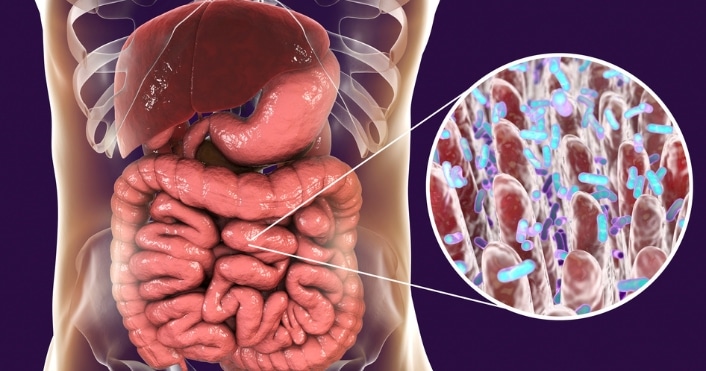
The gut microbiota is the trillions of micro-organisms that live in your digestive system, mainly bacteria, but also viruses, fungi and archaea. These organisms not only live with you, but also perform essential functions for your health.
They participate in the digestion of food, protect against infection, modulate the immune system, influence mood and regulate metabolism. When balanced, the microbiota acts as a protective barrier and keeps inflammatory processes in check.
However, when this balance is disrupted, known as dysbiosis, problems such as chronic inflammation, food intolerances, digestive disturbances and an increased risk of intestinal diseases can occur.

Frequent swelling
That bloated belly feeling, even when you eat healthy or small meals.
Constant fatigue for no clear reason
You wake up tired or feel lacking in energy throughout the day, even if you sleep well.
Foul-smelling gas or very slow digestion
Uncomfortable flatulence and meals that seem to “sit there” for hours.
Mood swings or mental fog
Difficulty concentrating, feeling dull in the head, irritability or emotional lows for no apparent reason.
Skin problems
Acne outbreaks, dermatitis, rosacea... which may be related to intestinal inflammation.
Sensitivity to many foods
More and more things go wrong for you: dairy products, fruit, pulses... without a clear explanation.
Recurrent diarrhoea or constipation
Digestive disturbances that come and go or become chronic and do not improve with diet or probiotics.
Bad breath or metallic taste
Little known symptoms, but frequent when intestinal imbalances and abnormal fermentations occur.
Listening to your body is the first step: bloating, gas, heavy digestion or changes in bowel rhythm can give you clues. But it is not always enough.
To find out more precisely whether dysbiosis is present, specific digestive tests are available. The BREATH TEST, for example, allow for the detection of imbalances such as the SIBO or lactose or fructose intolerances, which often go unnoticed.
At Ailin you can do these tests at home, with a guided process, fast and without waiting lists. Because understanding what's going on in your gut is key to recovering your wellbeing.
Do you have persistent digestive symptoms? Take an exhaled air test and know what your microbiota is trying to tell you.
It is not normal to feel bloated, tired or sick after every meal. Your microbiota may be unbalanced and be the root cause of this constant inflammation. Do the digestive test with Ailin and take the first step towards a digestion without inflammation.