



Rich people get STIs. Poor people get STIs. So do athletes and maths fanatics, so do CEOs and teachers. Even a first-time sex worker can get an STI.
Sexually transmitted infections are more common than is often thought. Increasingly more people are affected, It is important to keep in mind that all STIs pose a risk, although some are more prevalent than others. It is important to keep in mind that all STIs pose a risk, although some are more prevalent than others. Did you know what the most common STIs are and the right way to protect yourself from getting them? Read on to find out more in this article.
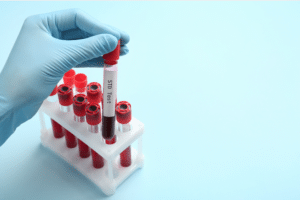
A Sexually Transmitted Infection (STI) is spread during vaginal, oral and anal sex through fluids such as semen, vaginal fluid or blood from one infected person to another. STIs can be caused by four agents: bacteria, fungi, viruses and parasites.
There are currently more than 20 types of sexually transmitted infections. However, some of them are more common than others:
This is the most common STI in Spain, according to the Spanish Academy of Dermatology and Venereology. HPV is caused by various types of viruses belonging to the human papilloma family and its transmission occurs mainly through unprotected sexual intercourse, whether vaginal, anal or oral.
There is currently no treatment for this disease, so it is crucial to seek specialised medical care to prevent serious consequences. Such as various types of cancer.
This infection is caused by a bacterium called Chlamydia trachomatis. It can affect both men and women and, in many cases, has no obvious symptoms. However, if symptoms do occur, they may include painful urination, abnormal discharge, abdominal or lower back pain, and in women, bleeding between menstrual periods.
Chlamydia is treated with antibiotics and it is crucial to get the right treatment to prevent complications such as inflammatory disease, pelvic disease and infertility.
Genital herpes is transmitted by the herpes simplex virus (HSV). It is one of the most common sexually transmitted infections worldwide. It is transmitted mainly through direct skin-to-skin contact during sexual intercourse, whether vaginal, anal or oral.
This infection can cause painful sores or blisters on the genitals, making it easy to spread the infection unknowingly. There is currently no cure for genital herpes, but antiviral drugs can help control symptoms, speed healing of lesions and reduce the frequency of outbreaks.
Gonorrhoea is an infection caused by the bacterium Neisseria gonorrhoeae. It is one of the most common sexually transmitted infections worldwide. It is transmitted mainly through unprotected sexual contact.
Approximately half of women and a quarter of men infected with the bacteria have no symptoms. These can vary, but in many cases may include painful urination, abnormal discharge from the penis or vagina, and in women, irregular menstrual bleeding.
Gonorrhoea is treated with antibiotics, and full treatment is essential to prevent it from spreading to other parts of the body, causing infections in the reproductive organs, joints and even the bloodstream.
Human Immunodeficiency Virus is an infection that affects the immune system. It is transmitted through contact with body fluids such as blood, semen or vaginal fluid. The main routes of transmission are unprotected sexual contact, sharing contaminated needles or from mother to child during pregnancy, childbirth or breastfeeding. In the past, transmission through blood transfusions was common.
Symptoms of HIV can vary, but in the early stages of infection, they can include fever, fatigue, sore throat and rash. There is currently no cure for HIV, but advances in treatment can effectively control the virus and help those infected.
It is transmitted by the bacterium Treponema pallidum and is transmitted mainly through sexual contact. The disease progresses in stages and can present a variety of symptoms, from painless sores in the primary stage to rashes, fever and malaise in the secondary stage. If left untreated, syphilis can damage internal organs in later stages. Diagnosis is made by blood tests and proper antibiotic treatment is essential for control.
This sexually transmitted disease is caused by the parasite Trichomonas vaginalis. It is mainly transmitted through vaginal intercourse, although it can also be transmitted by direct genital contact or contaminated objects. Trichomoniasis can cause abnormal vaginal discharge, itching, irritation and discomfort during sexual intercourse. In some cases, the infection may be asymptomatic and is treated with antiparasitic drugs.

Although condoms offer protection against most STIs, some can be transmitted through the use of condoms. direct skin-to-skin contact. The main purpose of condoms is to prevent contact with body fluids such as semen, vaginal secretions and blood, which can help prevent pregnancy and sexually transmitted infections during sex.
Most STIs, such as chlamydia and gonorrhoea, can be prevented by using condoms. However, there are some STIs that can be transmitted even when condoms are used during sex, including some of those mentioned above;
But... can we get infected by the more than one STI simultaneouslyYes, that's why it is important to use condoms and raise awareness about these diseases, which can lead to major health problems.
Diagnosis of sexually transmitted infections (STIs) is mainly done in clinics by testing blood, urine or genital fluid samples. For example, laboratory tests for HIV, The results of the tests for syphilis, syphilis and hepatitis require blood tests, while chlamydia and gonorrhoea are usually diagnosed with urine or exudate tests. Today, the results of all of these are easily accessible, thanks to the advent of comprehensive diagnostic tests.
For some STIs, there are self-testing options, such as home HIV testing kits, which test a sample of saliva or blood. However, these home tests must be confirmed in a clinic to ensure accuracy and to receive appropriate treatment. It is crucial to follow medical advice to ensure a reliable diagnosis.
Prevention is fundamental to avoid contagion and the risks posed by STIs. The use of condoms is essential for prevention, although there are other types of infections that can be transmitted even with protection. It is therefore important to regular medical examinations for its detection. It is essential to be informed, take precautions and take care of our sexual health.
Fuchs W, Brockmeyer NH. Sexually transmitted infections. J Dtsch Dermatol Ges. 2014 Jun;12(6):451-63. doi: 10.1111/ddg.12310. PMID: 24889293.
Shannon CL, Klausner JD. The growing epidemic of sexually transmitted infections in adolescents: a neglected population. Curr Opin Pediatr. 2018 Feb;30(1):137-143. doi: 10.1097/MOP.0000000000000578. PMID: 29315111; PMCID: PMC5856484.
Hlatshwayo M, Reno HEL, Yarbrough ML. STI update: Testing, treatment, and emerging threats. Cleve Clin J Med. 2019 Nov;86(11):733-740. doi: 10.3949/ccjm.86a.18098. PMID: 31710586.